Walk down Washington Street and see the old water wells..
The Sheldrake River, a freshwater stream, originates in White Plains and winds south for approximately six miles before joining the Mamaroneck River. Its watershed spans Scarsdale, New Rochelle, and Mamaroneck, draining roughly 6.1 square miles. Classified by NYSDEC as Class C—suitable for fishing and fish propagation—the river nevertheless flows through heavily urbanized and industrial zones, where legacy contamination poses ongoing water-quality challenges. Over 125 years ago, local communities tapped the river and its impoundments, most notably Sheldrake Lake (formerly the Larchmont Reservoir)—as a primary source of drinking water. At that time, the Sheldrake supported a thriving ecosystem of freshwater fish, waterfowl, and native riparian vegetation, sustaining both human and ecological health before industrialization altered its quality and flow regimes
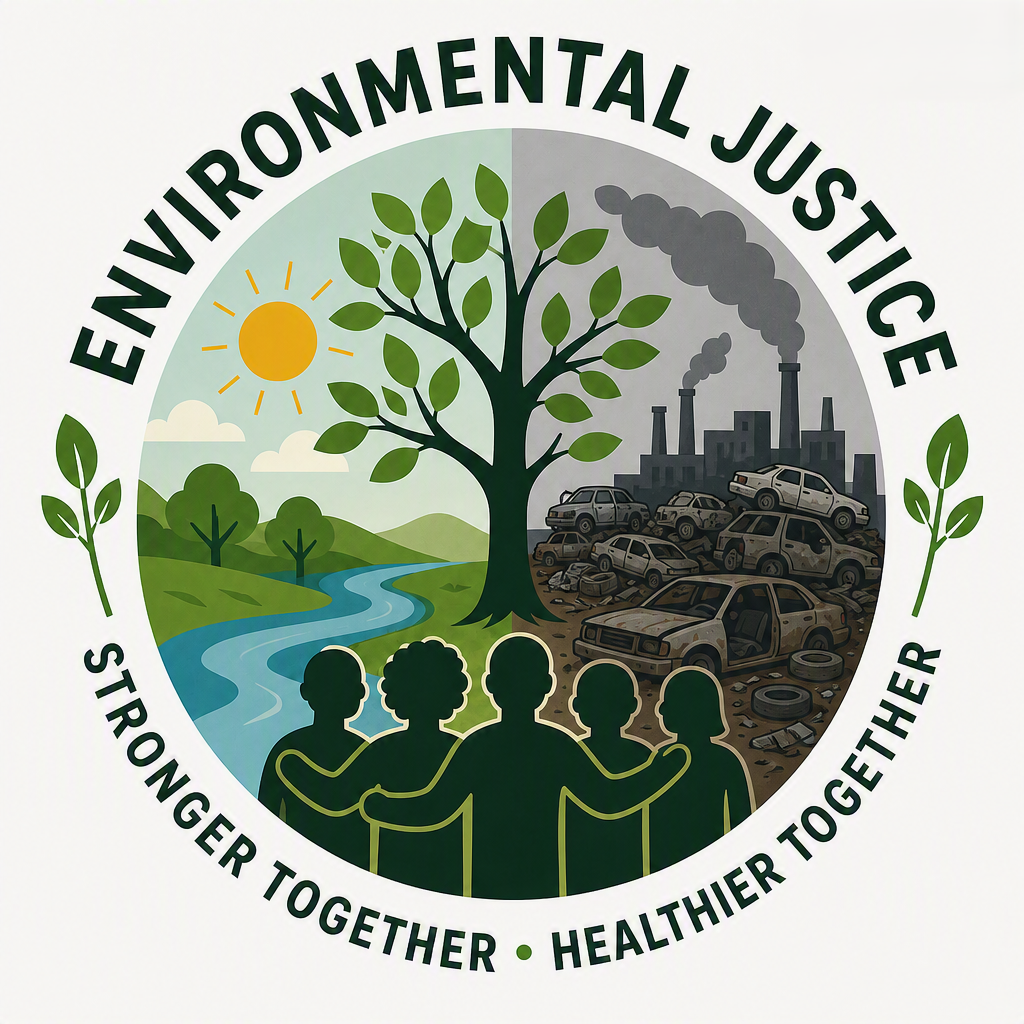
For more than a century, the Plaza Avenue corridor in Washingtonville has suffered under the weight of unchecked industrial expansion and systemic neglect. What was once a thriving riverside landscape, alive with clean spring water from the local aquifer the Sheldrake waterway provided rich web of native plants and wildlife—has been overtaken by a succession of heavy industries. Auto salvage yards seeped petroleum hydrocarbons and lead into the soil, electronics factories leached chlorinated solvents and PCBs into groundwater, and wax-blend manufacturers left behind complex residues that continue to volatilize as Volatile Organic Compounds (VOCs). Over the past 65 years, this toxic legacy has infiltrated basements, backyards, and indoor air, silently fueling one of the region’s most persistent cancer clusters—spikes in thyroid, leukemia, and other cancers documented within a one-mile radius. Recurrent flooding of the Sheldrake River only worsens the crisis, washing contaminants into homes and storm drains and thwarting rudimentary flood-control measures. Despite clear evidence of harm, county and state agencies have never mandated the comprehensive soil, water, and air testing needed to map exposure pathways or driven the full remediation of these brownfields. The scars left on both ecosystem and community demand urgent, coordinated action—because Washingtonville residents deserve more than a legacy of toxins; they deserve health, justice, and a true path to recovery.
The Blood Brothers Auto Wreckers site operated for decades as vehicle salvage and dismantling yard along Mamaroneck’s industrial corridor. Routine handling of automotive fluids and scrap metal left soils rich in petroleum hydrocarbons, heavy metals, and chlorinated solvents. Following closure, the property was identified as a Superfund Brownfield location, triggering site assessments and eventual cleanup planning under state guidance which seems very questionable under much public opinion and not documented on the DEC Remediation Database. WHY?
Originally established in the mid-20th century as an electronics and transformer manufacturer from 1960 to 1990, the Former ITT Selectro site became a focal point for soil vapor intrusion and indoor air concerns. During its years of operation, ITT Selectro’s industrial practices went largely unregulated, allowing machine oils, cleaning agents, solvents, electroplating wastes, and fuel oil to seep into the soil and groundwater. The site was later designated a Class 2 “Significant Threat — Action Required” location under the New York State Superfund program due to risks posed to public health. Evidence suggests that residual contaminants continue to impact the Sheldrake River, as documented in Paul Rubin’s 2016 HydroQuest report, underscoring the need for sustained cleanup and environmental oversight. Is the community now feeling the impacts of health issues and flooding?
For over forty years, M. Argueso & Co. produced specialty wax blends on four contiguous parcels along Waverly Avenue. After changing hands—from an independent operation to SPS Technologies in 2001 and then Paramelt B.V. in 2010—the site was added to the Brownfield Cleanup Program. Cleanup actions included tank removals, soil excavation, groundwater treatment, and a site-wide cover system. In January 2014, NYSDEC issued a Certificate of Completion, affirming that remaining contamination is controlled in place but will require long-term monitoring. Residents of the Washingtonville neighborhood have reported a troubling uptick in cancer cases, with community canvassing identifying over 50 diagnoses of more than 20 cancer types within a one-mile radius. Despite anecdotal clustering—particularly of thyroid cancers near flood-prone areas—no formal epidemiological study has yet been commissioned by county or state health agencies. Just recently there are additional cancer clusters area(s) that recently surfaced from first hand accounts by local residents - WHY?
Environmental Impact to the Sheldrake River
Brownfields along Mamaroneck’s industrial corridor continue to influence the Sheldrake River’s health. Runoff from former auto wrecking yards, electronics manufacturing sites, and wax-production facilities carries residual VOCs, metals, and hydrocarbons into tributaries and sediments. These contaminants threaten aquatic habitats, complicate flood-risk management, and underscore the need for comprehensive watershed-wide remediation and monitoring.
Flooding and Brownfields
The Washingtonville Community sits at the confluence of the Sheldrake and Mamaroneck Rivers and endures periodic flooding from extreme storms. Major flood events in March 1953,June 1972, September 1975, and April 2007 caused extensive property damage and loss of life, driven by low channel capacity, bridge bottlenecks, and urban encroachment. More recently, October 2023 rains rivaled Hurricane Ida, flooding 62 basements, prompting 50 evacuations, and generating over 160 emergency calls; prior dredging and channel maintenance since 2022 helped mitigate—but not eliminate.
Floodwaters routinely mobilize contaminants from brownfield sites, solubilizing heavy metals, hydrocarbons, and VOCs bound in soils and sediments. During high-flow events, stormwater can scour contaminated banks and transport pollutants downstream, exacerbating water-quality issues and threatening aquatic life. This dynamic underscores the necessity of integrating brownfield remediation with flood protection strategies to safeguard both public health and the Sheldrake River ecosystem.
Amid the alarming identification of 50 cancer diagnoses affecting more than 20 different cancer types within a one-mile radius of Washingtonville — including clusters of cases in flood-prone zones — residents have long suspected that legacy contaminants in soil, groundwater drawn from the underlying Mamaroneck aquifer, and polluted air in homes and basements are fueling this public health crisis. Note: To document the current environmental conditions in the Washingtonville area, several Mamaroneck residents were interviewed in the summer of July 2024 by Grassroots Environmental Education, a world‑class nonprofit environmental organization based in Port Jefferson, New York. The interview can be seen at the following YouTube link, https://www.youtube.com/watch?v=6DFSR4tBR4I – a must watch!